
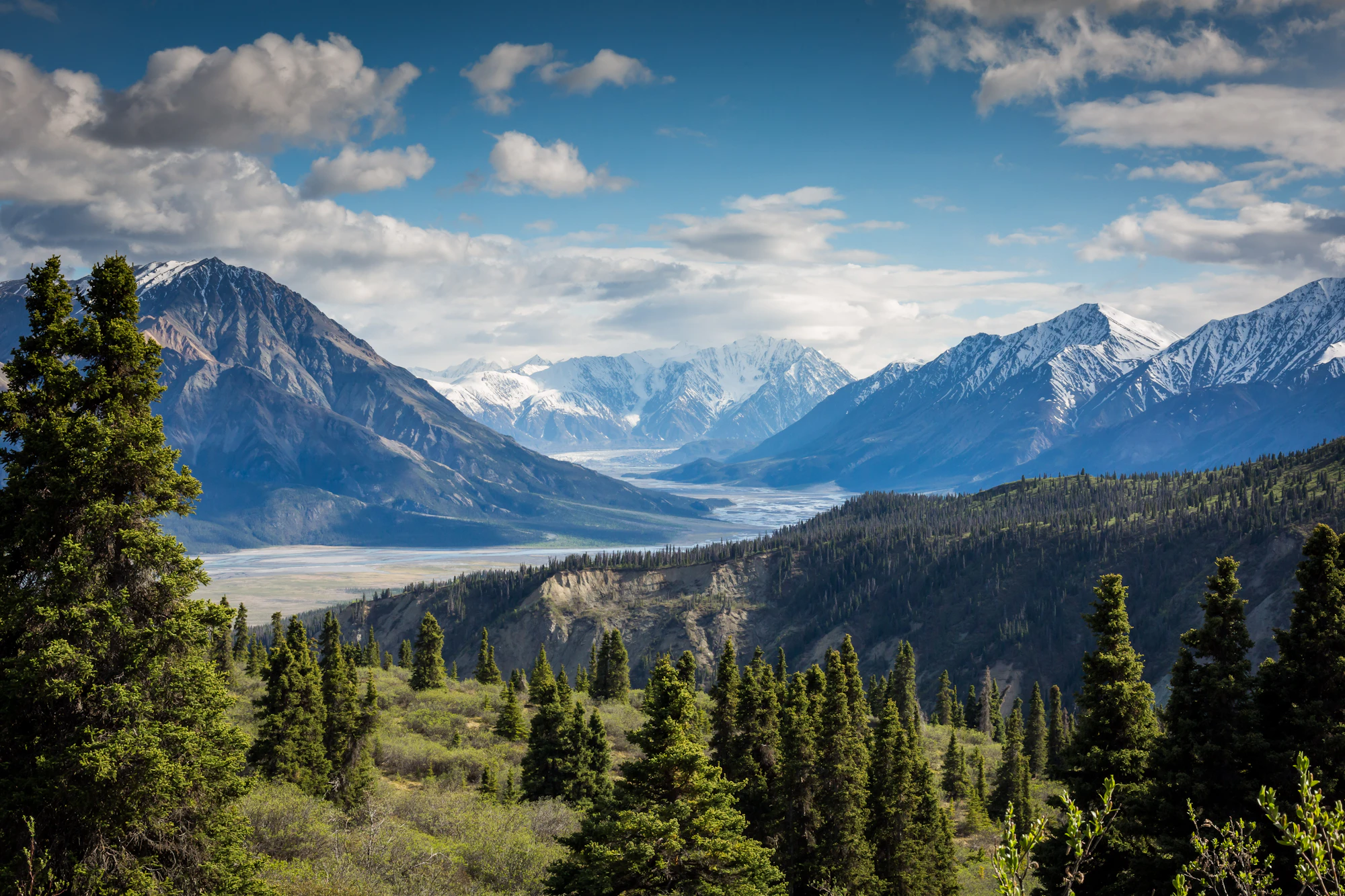
Камчатка — это место, где природа остаётся практически нетронутой, а каждый шаг открывает величие дикой земли. Почти 12% территории края охраняется в заповедниках и природных парках. От заснеженных вулканов до бескрайних лесов и долин, где реки текут так же свободно, как тысячи лет назад — здесь каждый найдёт занятие по душе.
Дикая и величественная
Камчатка — огромный полуостров на Дальнем Востоке России, вытянутый с севера на юг на расстояние около 1200 километров. На севере она граничит с Чукотским автономным округом, западные берега омываются холодными водами Охотского моря.
Ширина полуострова в самом протяжённом месте составляет около 440 километров. С материковой частью России Камчатка соединяется узким перешейком шириной около 93 километров.
Центральная часть полуострова украшена двумя крупными горными системами — Срединным и Восточным хребтами, между которыми простирается Центральнокамчатская низменность. Здесь протекает река Камчатка длиной около 758 километров.
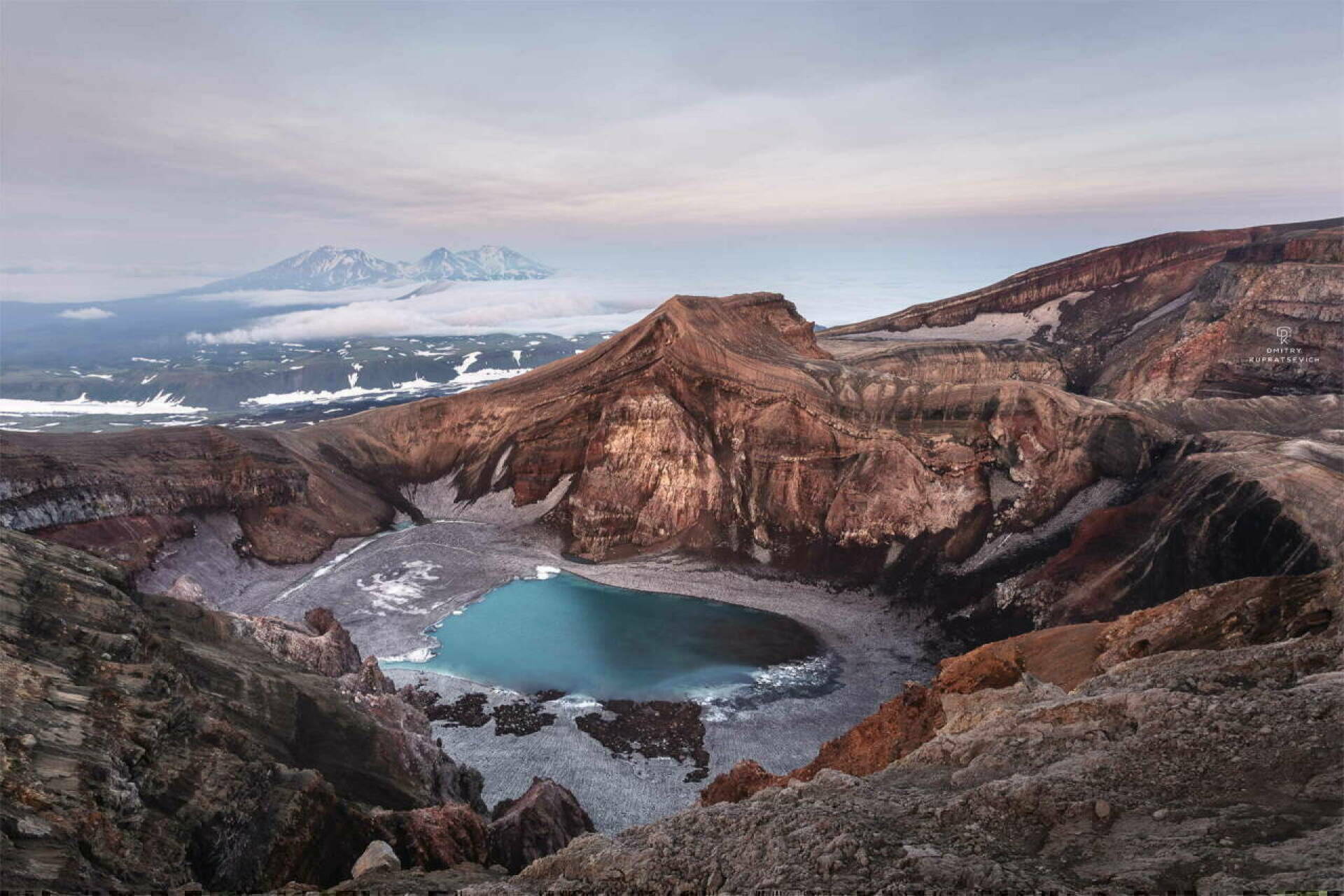
Камчатка известна своими живописными заливами и бухтами, включая Авачинскую и Кроноцкую. Авачинская бухта считается одной из крупнейших в мире. Величественные вулканы — Ключевская сопка (4750 м), Корякский — привлекают путешественников со всего мира.
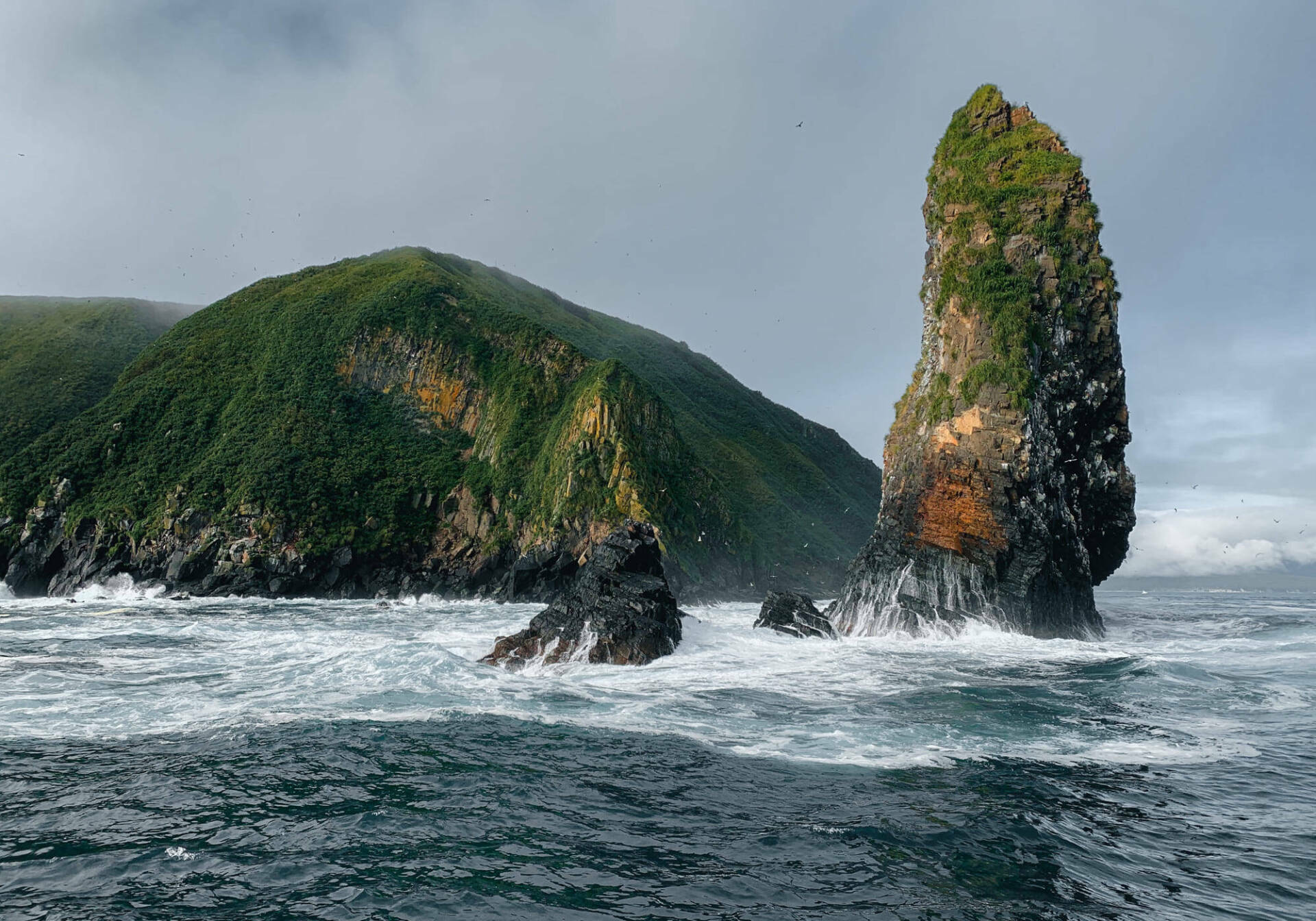
Погодные условия чрезвычайно разнообразны. В центральной части климат континентальный: суровые зимы до −40 °C и тёплое лето до +30 °C. На побережьях преобладает морской климат, средняя температура зимой около −15 °C, летом редко выше +15 °C.
От древности до русских первопроходцев
Выживание в древние времена
История заселения Камчатки начинается около 13 тысяч лет назад. Первые стоянки людей располагались на берегу Большого Ушковского озера. Поселенцы занимались охотой, рыбалкой, собирательством и одомашнивали собак.
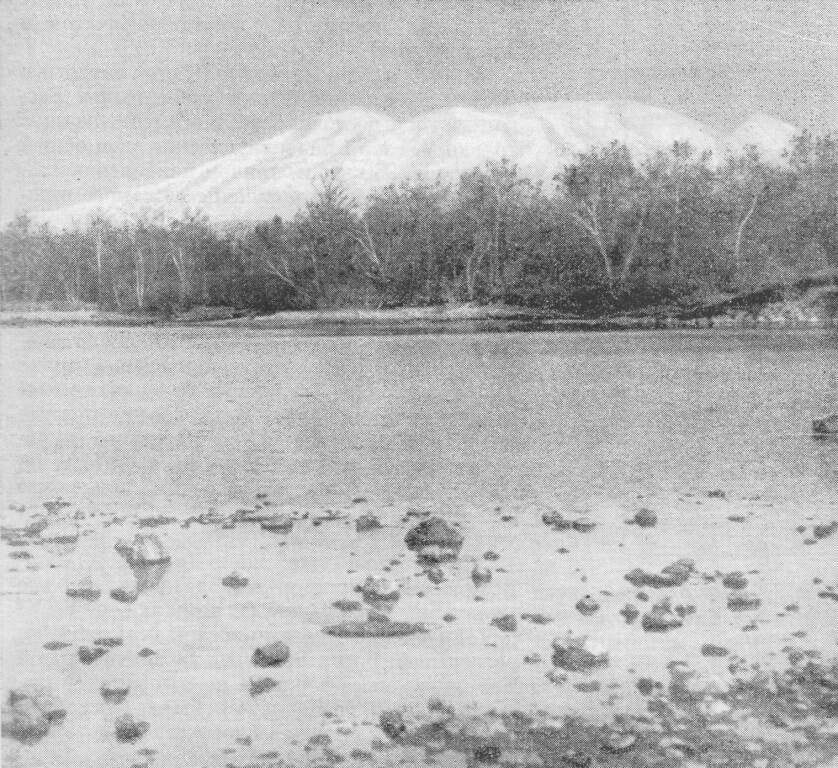
В неолитический период Камчатка пережила шесть мощных вулканических извержений. Значительным новшеством стала керамика, древнейшие образцы которой датируются периодом 6679–4406 лет назад.
Коренные народы
На полуострове живут коряки, ительмены, эвены, алеуты и чукчи — каждый народ со своей культурой и языком.
Коряки населяют север и центр полуострова. Их жилища — яранги, круглые палатки из оленьих шкур. Летом нымыланы охотились на китов в Пенжинской губе.
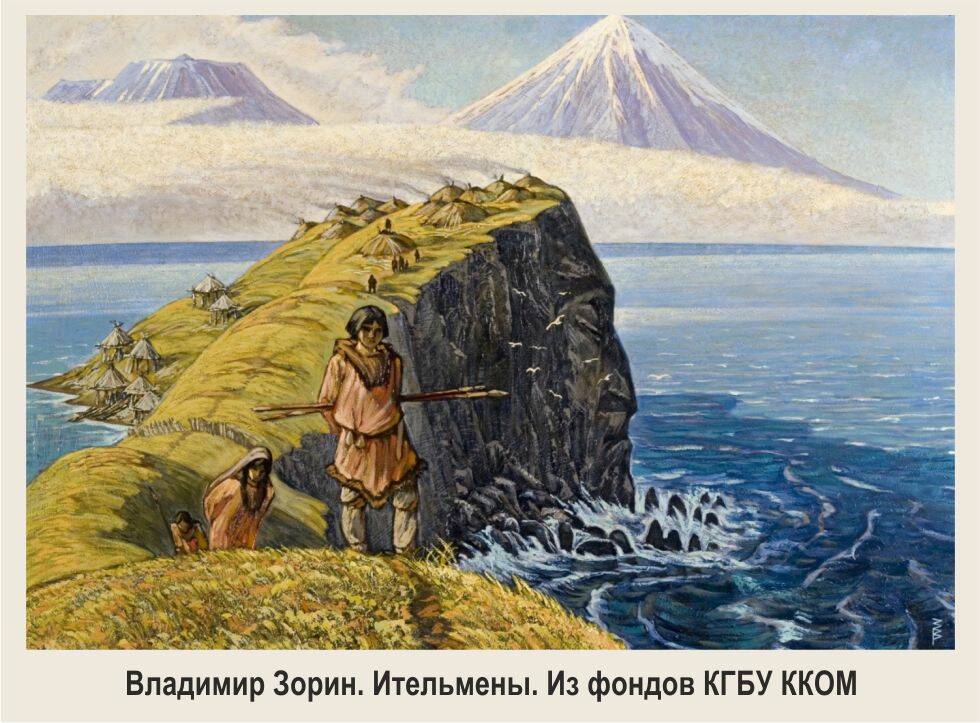
Ительмены проживают на юго-западе Камчатки. Их культура основана на рыболовстве, особенно на ловле лосося. Жилища делятся на зимние землянки и летние лёгкие конструкции.
Эвены занимались оленеводством и охотой. Их жилища — конические чумы. До сих пор действуют запреты на охоту на волка, орла и лебедя.
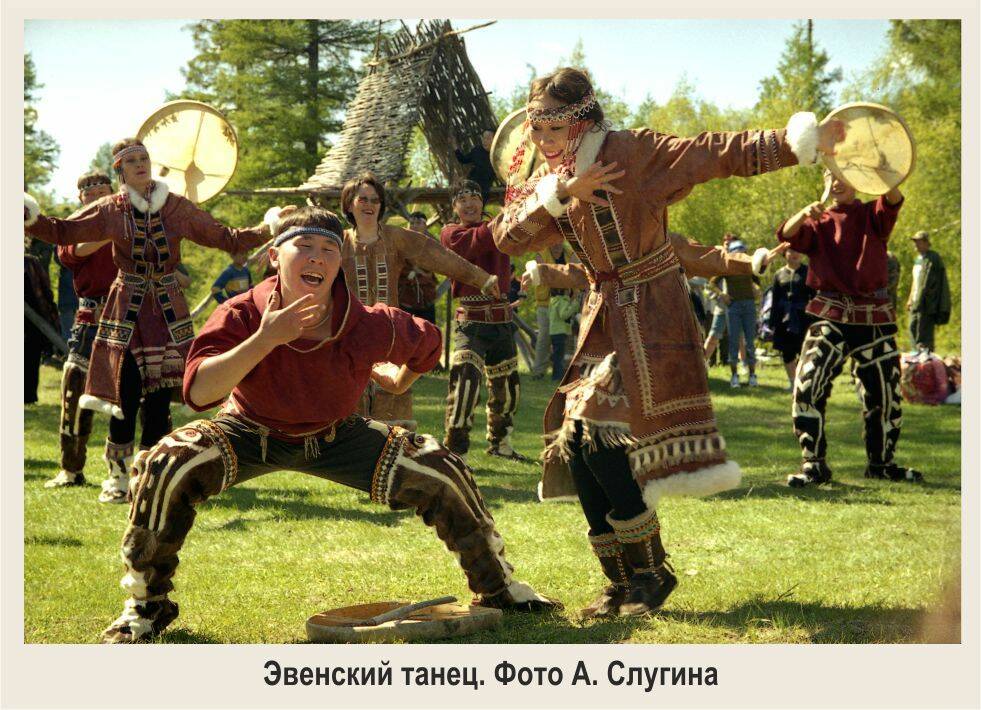
Алеуты традиционно охотятся на морских животных. Их байдарки, обтянутые кожей, позволяют далеко выходить в океан.
Чукчи делятся на морских и оленных. Известны эпическими сказаниями и сложными орнаментами на одежде.
Первое появление русских первопроходцев
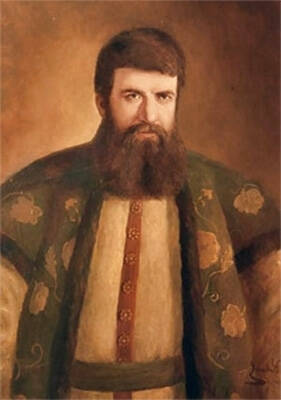
Освоение Камчатки началось в XVII веке. Казак Владимир Атласов в 1697 году возглавил экспедицию, которая привела к присоединению полуострова к России.
В апреле 1779 года в Петропавловск прибыла английская кругосветная экспедиция Джеймса Кука, к тому времени возглавляемая Чарльзом Клерком. Клерк скончался 11 июля и похоронен в Петропавловске с воинскими почестями.
Природные богатства и животный мир
Уникальная фауна
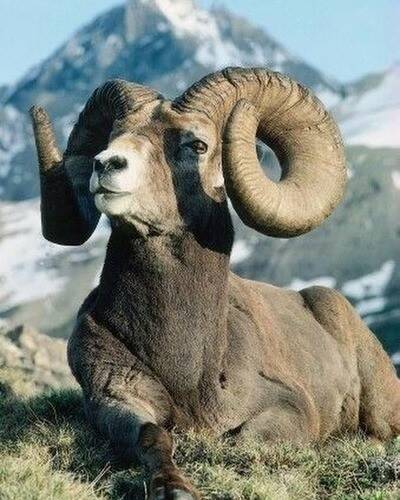
Здесь обитает более 200 видов птиц, 38 видов наземных млекопитающих. Бурый медведь — символ Камчатки, на полуострове живёт около 15 тысяч особей.
Птицы и морская жизнь
На побережьях — птичьи базары: кайры, тупики, бакланы, чайки. В прибрежных водах обитают кашалоты, горбатые киты, касатки. В реках нерестятся все шесть видов тихоокеанских лососей.
Рыба — золото Камчатки
Рыбная отрасль обеспечивает более 30% всего улова рыбы в России. Камчатская икра и рыба ценятся на мировом рынке за высокое качество.
Туризм: край приключений
Долина гейзеров, вулканы Ключевская сопка, Авачинский, Корякский, Мутновский — популярные объекты. Паратунские и Малкинские горячие ключи дают возможности для оздоровления.
Заключение
Камчатка — уникальный регион, сочетающий богатство природы, культурное разнообразие и потенциал для развития. Сохранение экологического баланса и уважение к культурному наследию — ключевые задачи.